Your health and wellbeing matter while you study in Victoria. Looking after your physical and mental health can help you feel more balanced, study better and enjoy your time as an international student.
Healthy lifestyle tips for international students
Plan your time
A simple routine can reduce stress and help you stay organised.
At the start of each term, make a study plan that includes:
- classes and study time
- assignments and exams
- rest and sleep
- time with friends and family
Eat well
Healthy food gives your body energy and helps with memory, focus and concentration.
Try to:
- eat regular meals
- choose a mix of fresh, nutritious foods
- prepare meals in advance during busy periods
- look for budget-friendly food options
You can also explore cheap eats in Melbourne and free meal options at The Couch International Student Centre.
Stay active
Regular exercise supports both physical and mental health. It can improve your mood, fitness, energy levels and heart health.
You might:
- join a gym or fitness class
- play social sport
- walk or run outdoors
- visit a local recreation centre
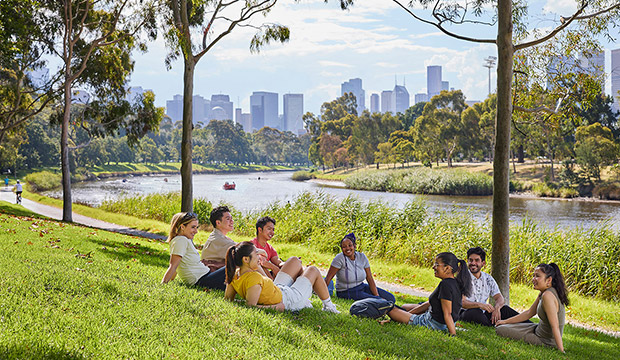
Spend time outdoors
Fresh air, sunshine and time in nature can improve mood and reduce stress. Even a short walk in a local park can help you feel calmer and more refreshed.
If you have more time, explore Victoria’s parks, walking trails and national parks with friends.
Get enough sleep
Good sleep is important for learning, focus and wellbeing. Young adults aged 18 to 25 should aim for 7 to 9 hours of sleep each night.
To support better sleep:
- keep a regular bedtime
- reduce screen time before bed
- create a calm sleep routine
- try relaxation or meditation apps
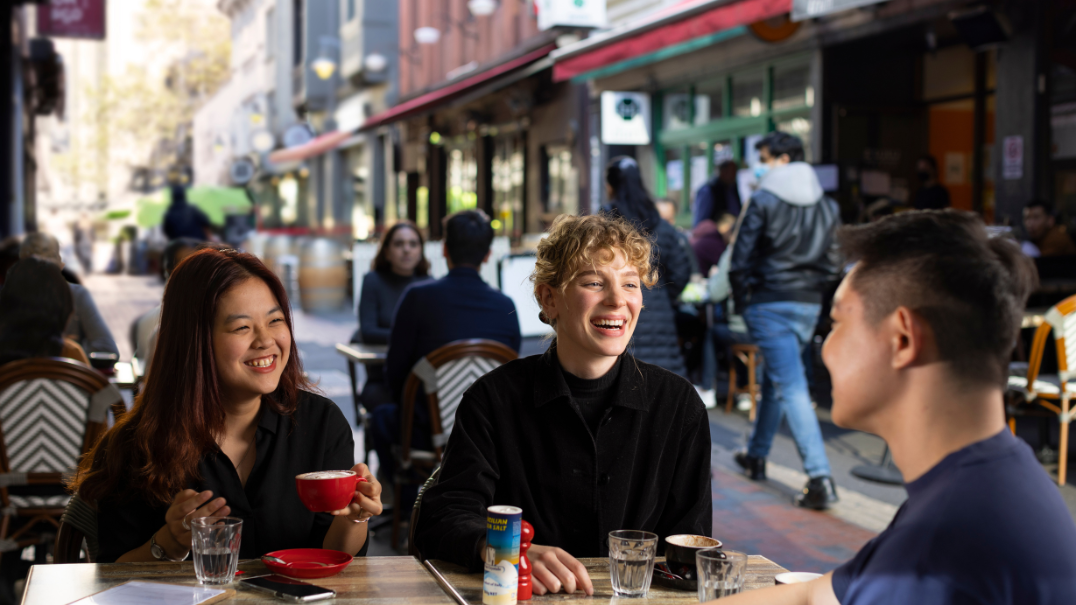
Stay socially connected
Building friendships and staying in touch with family can support your mental health, sense of belonging and overall wellbeing.
Living away from home can be exciting, but it can also feel challenging. Many international students miss their family and friends while adjusting to life in a new place. Staying connected with loved ones and building new relationships in Victoria can help.
You can:
- message or video call loved ones
- keep in regular contact with family and friends
- talk with other international students
- join student clubs, campus groups and community activities
- attend social events
- connect with local communities in Victoria
Social connection is an important part of wellbeing.
View transcript
[On-screen text: Susie, International student, visuals of Susie at an outdoor cafe]
Speaker, Susie: One of the best parts of being an international student is all of the new and incredible people you'll meet. Whether they are other students, teachers who help to fuel your drive to learn, or professionals who can mentor and support you, meeting people and building networks is essential to make the most of your time in Victoria. Now let's talk about making friends. [Visuals of Susie taking a group selfie on the bay with friends with city skyline in background, palm trees on the bay]
Susie: You'll definitely be mingling with other people in your course, but you need to be proactive when it comes to making meaningful connections. It can be a bit intimidating at first, but putting yourself out there is the key when it comes to making friends. There are many events and activities available to international students through Study Melbourne. These can help you socialise and make friends. [Visuals of Susie and friends with iced drinks sitting on the grass, bay in the background, in a restaurant, out the front of Luna Park]
Susie: Connect with Study Melbourne through social media, sign up to the newsletter or check out the events page on the website for announcements for upcoming events. [Visuals of tram and Flinder's Street Station, Study Melbourne networking event]
Susie: One of the best ways for you to engage with fellow students is through one of Study Melbourne's programs. These programs are specifically developed for international students to support you in building your employability, leadership, and digital skills, while helping you engage with the local community and enhance your experience in living and studying in Victoria. No matter which event you attend - and you can attend them all - these are the perfect first step for you to meeting new people and making friends. [Susie walking down a vibrant street with friends, playing Jenga, taking photos of food]
Susie: Make sure to also check out your institution’s student clubs, societies, and sports teams. There will be groups of people with similar hobbies, interests, languages, and culture. [Visuals of lantern festival at the Study Melbourne Hub, group jigsaw puzzle]
Susie: Alternatively, check out the community groups near where you live, like the local library or simply head to Study Melbourne Hub on Hardware Lane and start a conversation with new students over a cup of coffee.
[End transcript]
Stress and mental health support for students
Many international students experience stress while adjusting to study, work, finances, transport and housing.
Common signs of stress include:
- feeling worried, nervous, angry or overwhelmed
- racing thoughts
- difficulty concentrating
- trouble sleeping
- feeling tired
- losing interest in activities you usually enjoy
- physical symptoms such as headaches, nausea or tense muscles
Ways to manage stress
Small daily habits can help you manage stress and protect your mental health. You could try:
- taking short breaks during study
- going for a walk
- talking to someone you trust
- practising meditation or breathing exercises
- Using online mental wellbeing support from Headspace and the MOST app.
If you are experiencing suicidal thoughts or severe distress, support is available.
Lifeline can help you create a safety plan.
Listen to the Asian Mental Health Podcast
Shapes and Sounds is a Melbourne-based social enterprise supporting the mental health and wellbeing of Asian communities and international students. In partnership with Study Melbourne, their latest podcast season features honest conversations with international students and mental health professionals about the realities of studying and living in Australia.
Across eight episodes, the podcast explores culture, identity, loneliness, friendships, family expectations, navigating support services, and finding belonging in a new country. We hope these conversations remind you that you're not alone, and help you feel more connected throughout your international student journey.
Get mental health care
A GP can refer you to a:
- psychologist
- psychiatrist
- counsellor
Overseas Student Health Cover and mental health support
Some mental health services may be covered by OSHC, depending on your provider and policy. Check your cover directly with your insurer .
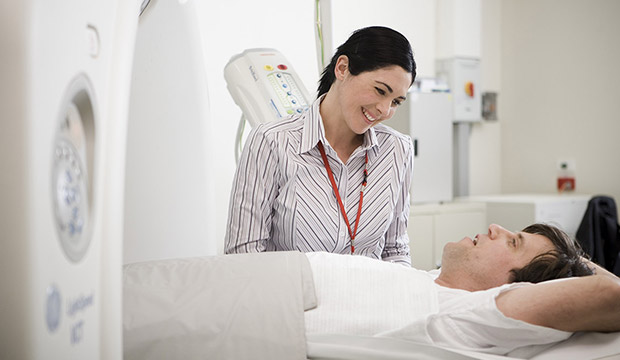
Getting health support in Victoria
For general health concerns
If you are feeling unwell and it is not an emergency, book an appointment with a GP. GPs can help with common illnesses, minor injuries, mental health concerns and general health advice.
Your OSHC provider may help you find a doctor. You can also search online using:
For urgent care at home
If you cannot attend a clinic in person, the Victorian Virtual Emergency Department (VVED) offers virtual care for non-life-threatening emergencies.
Interpreter services are available.
For emergencies
If your situation is life-threatening, please call Triple Zero (000)
For sexual and reproductive health support
You can access a range of sexual and reproductive health services in Victoria, including:
- Melbourne Sexual Health Centre
- Women’s Sexual and Reproductive Health Hubs
- Free Pads and Tampons
- 1800 My Options
- LGBTIQA+ health services
- Family violence support services
- Safe Steps Family Violence Response Centre
- inTouch Multicultural Centre Against Family Violence
You can also contact a GP or Sexual Health Victoria for advice and support.
For extra wellbeing support
Study Melbourne can help you settle into life in Victoria and connect with support services.
You can access:
- work-life balance resources
- health and wellbeing information
- social events and workshops
- referrals and guidance through the Study Melbourne Hub
Frequently Asked Questions
How can international students stay healthy while studying in Melbourne or Victoria?
International students can support their health and wellbeing by creating a balanced routine, eating regular nutritious meals, staying physically active, spending time outdoors, getting enough sleep and staying socially connected. These habits can improve focus, reduce stress and help students adjust to life in Victoria.
What are simple ways to manage stress as an international student?
Where can international students get mental health support in Victoria?
International students can get mental health support through a GP, who may refer them to a psychologist, psychiatrist or counsellor. Support may also be available through education providers, community services and Study Melbourne. In crisis situations, students can contact Lifeline for immediate support.
Does Overseas Student Health Cover (OSHC) cover mental health support?
Some mental health services may be covered by Overseas Student Health Cover (OSHC), depending on the student’s insurer and policy. Students should check directly with their OSHC provider to confirm what services are included.
What can international students do if they feel lonely or homesick?
Students who feel lonely or homesick can stay in regular contact with family and friends, talk with other international students, build new friendships in Victoria and join clubs, groups or community activities. These steps can help strengthen wellbeing and reduce isolation.
Where can international students get sexual and reproductive health support in Victoria?
International students can access sexual and reproductive health information and services through a GP, Sexual Health Victoria, Melbourne Sexual Health Centre, Women’s Sexual and Reproductive Health Hubs, 1800 My Options and other specialist services in Victoria.
Can international students access LGBTIQA+ health services in Victoria?
Yes. International students in Victoria can access LGBTIQA+ health services, as well as broader sexual and reproductive health services and family violence support where needed.
How can international students find a doctor in Victoria?
International students can ask their OSHC provider for help finding a doctor or use services such as Healthengine and Healthdirect to search for a GP in Melbourne or regional Victoria.
What is the Victorian Virtual Emergency Department (VVED)?
The Victorian Virtual Emergency Department (VVED) provides virtual care for non-life-threatening emergencies when a student cannot attend a clinic or hospital in person. Interpreter services are available.
What support does Study Melbourne provide for student wellbeing?
Study Melbourne offers support to help international students settle in and stay well. This includes health and wellbeing information, work-life balance resources, social events and workshops, and referrals and guidance through the Study Melbourne Hub.
Page last updated: